

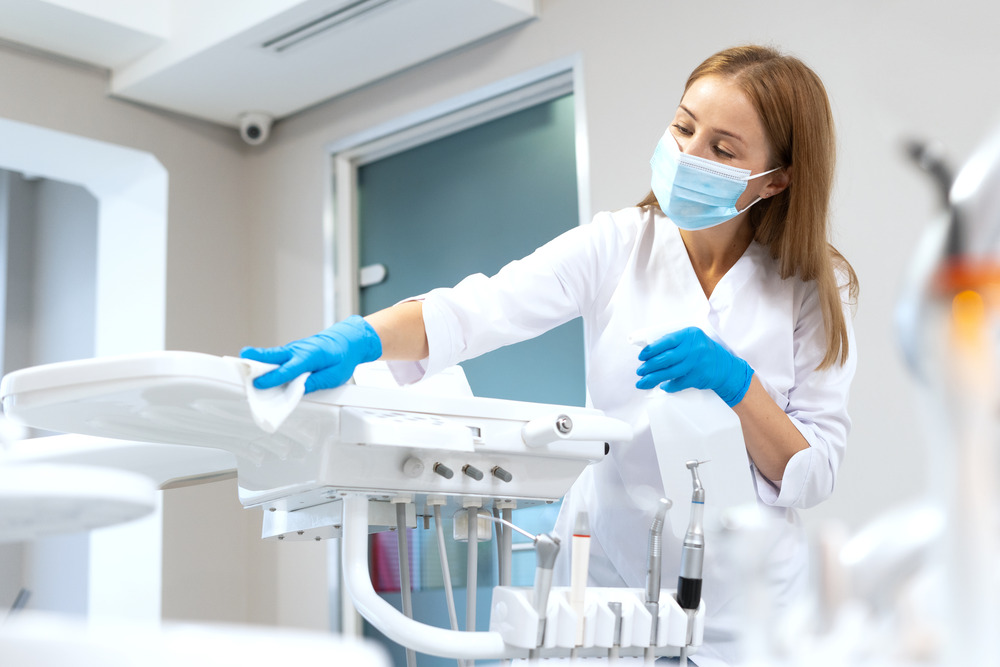
A clean and sanitary environment is essential in healthcare settings. Cleanliness promotes patient safety and wellbeing and plays a very important role in preventing the spread of infections,
Understanding the Cleaning Process in Healthcare
Cleaning, disinfection, and sterilization are distinct processes with specific objectives. Cleaning involves the removal of visible dirt and debris from surfaces, while disinfection aims to eliminate or reduce pathogens to a safe level. Sterilization though is the complete destruction of all microorganisms.
In healthcare settings, it is vital to identify key areas and surfaces that require regular cleaning and sanitization. Priority should be given to high-touch surfaces, such as doorknobs, light switches, and handrails. Additionally, medical equipment, devices, and patient rooms demand meticulous attention.
Following standard operating procedures (SOPs) for cleaning is critical. SOPs provide guidelines on proper techniques, appropriate cleaning tools, and the use of effective cleaning agents. Compliance with these procedures ensures consistency and enhances the efficacy of cleaning efforts.
Essential Cleaning Tools and Products
To achieve optimal cleanliness, healthcare facilities must employ the right cleaning tools and products. Microfiber cloths are highly effective as they trap dirt and microbes, preventing their transfer to other surfaces. Additionally, mop systems with disposable or washable heads reduce the risk of cross-contamination.
Selecting appropriate cleaning products is essential for effective sanitization. Detergents are commonly used for general cleaning, while disinfectants are specifically designed to kill pathogens. It is crucial to choose cleaning agents based on the surface type and the specific pathogens of concern.
Cleaning Best Practices
Establishing a cleaning schedule and frequency is paramount. Different areas within a healthcare facility have varying levels of contamination and usage. High-traffic areas and patient rooms require more frequent cleaning and sanitization than less-frequented spaces. Designing a comprehensive cleaning schedule ensures that all areas are addressed regularly, maintaining a consistently clean environment.
Training cleaning staff on proper techniques and protocols is crucial for maintaining cleanliness standards. It’s important for staff members to have knowledge of proper cleaning tool and product usage. Proper training also includes education on infection prevention and control, emphasizing the significance of hand hygiene and personal protective equipment (PPE) usage.
Sticking to the principles of infection prevention and control is really important. This includes using appropriate PPE when handling potentially infectious materials, properly disposing of waste, and implementing measures to prevent cross-contamination. Regular hand hygiene is important, with an emphasis on using soap and water or alcohol-based sanitizers.
Special Considerations for Infection Control
Healthcare-associated infections (HAIs) pose a significant risk in healthcare settings. Implementing measures to prevent HAIs, such as proper cleaning and sanitization protocols, is essential. It is crucial to understand the specific pathogens associated with HAIs and employ appropriate disinfection methods to mitigate their spread.
Preventing cross-contamination is another crucial aspect of infection control. Color-coded cleaning tools can help designate specific equipment for certain areas, minimizing the risk of transferring pathogens between different zones within a healthcare facility.
Consider a Professional Cleaning Company
The significance of cleanliness and sanitization in healthcare cannot be emphasized enough. Hiring a professional cleaning company may be necessary to maintain a high level of cleanliness in your organization. According to the experts at All Pro Cleaning Systems, commercial cleaning services is a wise investment when it comes to medical facilities.
Conclusion
Creating a healthy environment in healthcare settings requires a comprehensive approach to cleaning and sanitization. Implementing these practices means healthcare facilities can provide optimal care and support for all individuals. But remember, commercial cleaning companies can assist healthcare facilities in meeting the stringent cleaning requirements, ensuring a healthy environment for everyone.
