

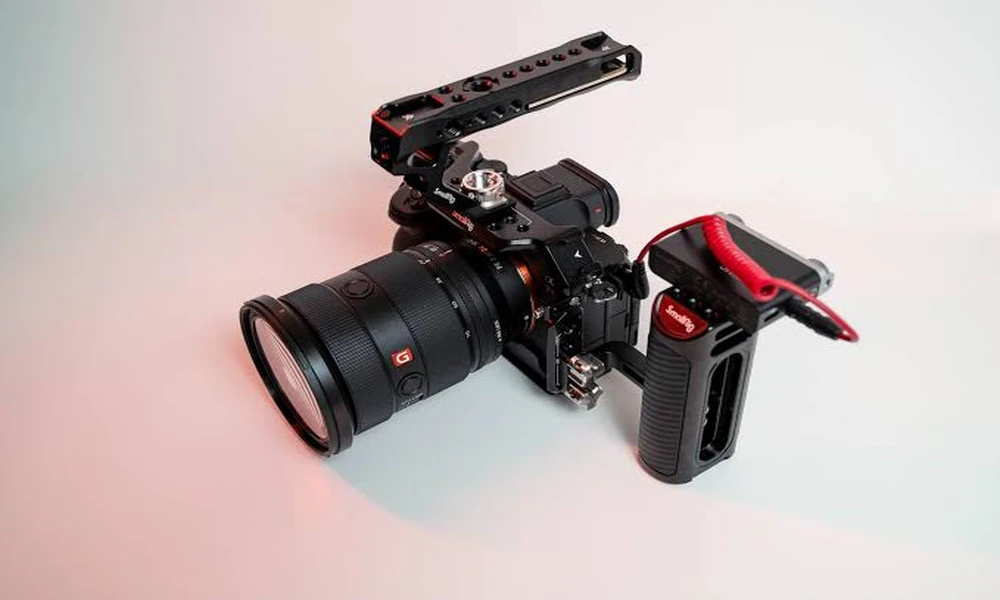
Modern mirrorless cameras have enormous menu systems and a small number of recurring problems. Most new owners hit the same handful of issues in their first month, and most of those have quick answers.
This guide covers the common faults and the settings worth establishing at the start.
Menu layouts change substantially between camera generations, so the Nikon camera manuals for your exact body save considerable hunting.
Memory card errors
Card problems are the most common source of panic and the easiest to prevent.
Format the card in the camera, not on a computer. Camera formatting creates the directory structure the body expects.
Format rather than deleting images. Repeated deletion fragments the card and eventually causes errors.
Check the card meets the speed requirement for the video mode you are using. A card fast enough for stills may stop recording partway through a high-bitrate video clip.
Check the physical write-protect switch on SD cards, which slides accidentally in a pocket and produces a baffling read-only error.
Replace cards periodically. They are consumables with a finite write life, and a card several years old in heavy use is living on borrowed time.
If a card errors, stop using it immediately. Continuing to write to a failing card is what turns recoverable data into unrecoverable data.
Lens communication errors
A message about the lens not being attached correctly, or a body that will not fire, usually means the electrical contacts are not making connection.
Remove and remount the lens, confirming it clicks fully into place.
Clean the gold contacts on both the lens and the body with a dry microfibre cloth. Do not use solvents.
Check for a lens firmware update, which resolves a surprising number of compatibility issues.
With an adapter in use, remember there are now two connection interfaces to check, and adapters are the usual culprit.
Third-party lenses occasionally need a firmware update after a camera body update.
The settings worth establishing first
File format
Shoot raw plus JPEG while learning. Raw preserves the data for correcting exposure and white balance later; the JPEG gives you something immediately usable.
Focus mode
Continuous autofocus with subject detection suits most general shooting on a modern body. Single-shot focus is better for static subjects and deliberate composition.
Auto ISO limits
Set a maximum ISO you are comfortable with and a minimum shutter speed. This is the single most useful setting change on a modern camera and prevents both noise and motion blur without manual intervention.
Back-button focus
Separating focus from the shutter button takes a day to adapt to and is worth it. It lets you focus once and recompose freely.
Battery behaviour
Mirrorless bodies consume more power than DSLRs because the sensor and viewfinder run constantly.
Carry spares. Rated shot counts are conservative but real.
Reduce viewfinder and screen brightness, and shorten the auto-off timer.
Disable continuous wireless connectivity when not using it.
Cold weather reduces capacity substantially. Keep spares in an inside pocket.
Overheating on video
Compact bodies recording high-resolution video generate heat with limited dissipation. Many include a temperature warning and will stop recording.
Check whether an auto power-off temperature setting exists and what it is set to.
Keep the screen away from the body where the design allows, improving airflow.
Avoid direct sun on the body.
Lower resolution or frame rate substantially extends recording time.
Firmware update procedures differ by model and must not be interrupted, so confirm yours at www.manualmachine.com before starting.
Images look soft
Check the shutter speed against the focal length. Handheld shots need a fast enough shutter, and stabilisation helps but does not eliminate the requirement.
Check the focus point is where you intend, not on a background element.
Very small apertures reduce sharpness through diffraction. Most lenses perform best a stop or two from wide open.
Check the front element is clean – fingerprints and haze reduce contrast noticeably.
Frequently asked questions
Should I use mechanical or electronic shutter?
Electronic is silent and vibration-free but can distort fast motion and produce banding under some artificial lighting. Mechanical is the safer default for general use.
How often should I clean the sensor?
When dust is visible in images at small apertures. Use the built-in cleaning function first; wet cleaning is a careful procedure best learned properly or left to a service centre.
Do I need the latest firmware?
Firmware updates frequently improve autofocus and add features. Update on a charged battery and do not interrupt the process.
Note: menu names, available settings and firmware procedures differ between models. Never interrupt a firmware update, and use a fully charged battery.
