

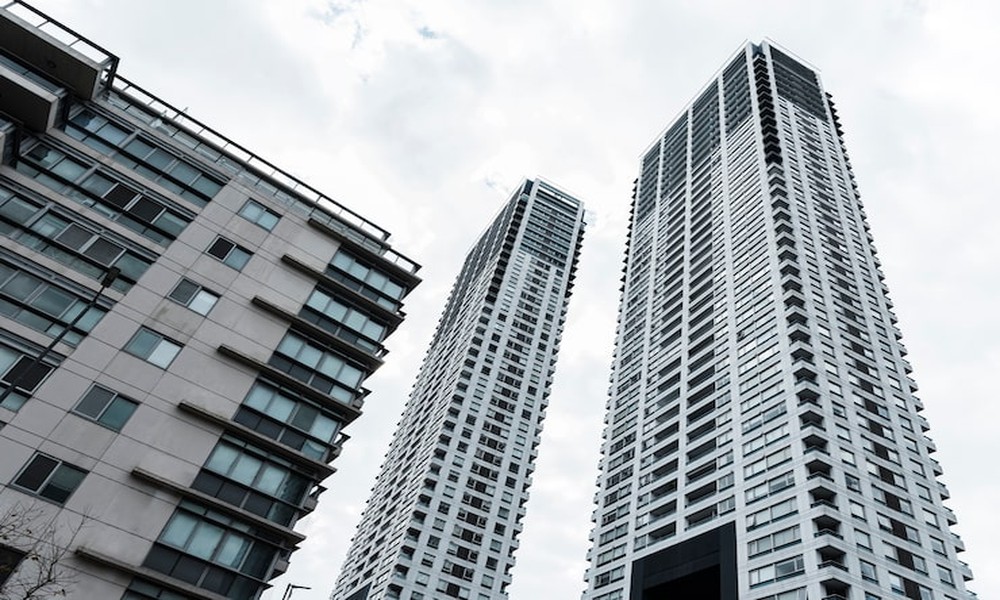
Introduction: Shared Spaces, Shared Responsibilities
Queensland’s strata living model thrives on shared spaces – landscaped gardens, swimming pools, gyms, and communal lobbies. These amenities enhance lifestyle and property value, but they also introduce liability risks. When accidents occur in common areas, questions of responsibility and financial exposure arise. Strata insurance is designed to manage these risks collectively, ensuring that owners are protected against claims that could otherwise destabilise both finances and community trust.
Understanding Liability in Strata Schemes
Public Liability Coverage
Public liability is a cornerstone of strata insurance. It covers claims if someone is injured or their property is damaged in shared spaces. For example, a visitor slipping on wet tiles in a lobby or a delivery driver injured by a faulty gate could result in significant financial liability. Without insurance, the body corporate – and by extension, all owners – would bear the costs.
Owner and Tenant Responsibilities
Individual owners are responsible for their units, but liability in shared spaces belongs to the body corporate. This distinction is critical, as it ensures that risks in communal areas are managed collectively. Tenants may also face responsibilities within their leased units, but shared liability always falls back to the collective governance structure.
Common Liability Scenarios
Injuries in Shared Facilities
Pools, gyms, and recreational areas are high-risk zones. A child injured in a pool accident or a tenant hurt while using gym equipment could trigger liability claims. Even with safety signage, accidents happen, and insurance provides financial protection in such scenarios.
Structural Failures
Incidents like balcony collapses, malfunctioning lifts, or falling debris can lead to serious injuries and costly claims. Insurance ensures coverage for both repairs and compensation, safeguarding owners from crippling expenses.
Everyday Hazards
Liability risks are not limited to dramatic incidents. Everyday hazards such as poorly lit stairwells, uneven paving, or slippery surfaces can result in claims. These smaller incidents, while less catastrophic, still carry financial consequences.
The Financial Impact of Liability Claims
Compensation Costs
Liability claims often involve compensation for medical expenses, lost income, and damages.
These costs can escalate quickly, sometimes reaching hundreds of thousands of dollars. Insurance ensures that such expenses are shared collectively rather than falling on individual owners.
Legal Expenses
Defending against liability claims requires legal representation. Insurance policies typically cover these costs, protecting the financial stability of the body corporate. Without coverage, legal fees alone could overwhelm strata budgets.
Expanding Knowledge Resources
Accessible information helps owners understand liability risks. Guidance on how strata insurance addresses liability in Queensland provides clarity on coverage and responsibilities, helping bodies corporate make informed decisions.
Risk Management Strategies
Preventive Maintenance
Regular inspections reduce liability risks. Ensuring stairwells are well-lit, pools are supervised, and lifts are serviced helps prevent accidents. Preventive measures also demonstrate responsible governance and can reduce claims frequency, which in turn stabilises premiums.
Governance Policies
Bodies corporate should establish clear policies for managing liability risks. Transparent communication ensures that all owners understand their responsibilities and protections. Policies might include mandatory safety audits, incident reporting procedures, and clear allocation of maintenance duties.
Education and Awareness
Educating residents about liability risks fosters a culture of safety. Simple measures, such as reminding residents to report hazards promptly, contribute to risk reduction. Awareness campaigns within complexes can reinforce shared responsibility.
Long-Term Implications for Owners
Financial Stability
Adequate liability coverage ensures financial stability. Without insurance, liability claims could bankrupt bodies corporate, leaving owners with crippling costs. Coverage protects against both large-scale incidents and smaller claims that accumulate over time.
Market Confidence
Buyers and investors view liability coverage as a sign of responsible governance. Robust insurance enhances confidence in strata schemes, supporting property values. Complexes with strong coverage often attract greater demand, as prospective buyers seek assurance that risks are managed responsibly.
Equity Protection
Insurance protects owner equity by ensuring that properties retain value after incidents. Liability claims, if unmanaged, can erode equity by draining financial reserves or damaging reputations. Coverage safeguards against these outcomes.
Emerging Trends in Liability Coverage
Technology in Risk Management
Digital tools such as surveillance systems and automated reporting are increasingly used to manage liability risks. These technologies provide evidence in claims disputes and support proactive maintenance.
Sustainability and Liability
Sustainable building practices also influence liability. For example, eco-friendly materials must meet safety standards to avoid creating new risks. Insurers are beginning to assess sustainability alongside liability exposure.
Conclusion: Liability Coverage as Collective Protection
In Queensland, strata insurance is essential for managing liability risks in shared spaces. By providing financial protection against claims, insurance safeguards both owners and tenants. Liability coverage is not just compliance but a cornerstone of collective responsibility and financial stability. For strata schemes, recognising the importance of liability insurance ensures resilience, protects property values, and fosters trust within communities.
