

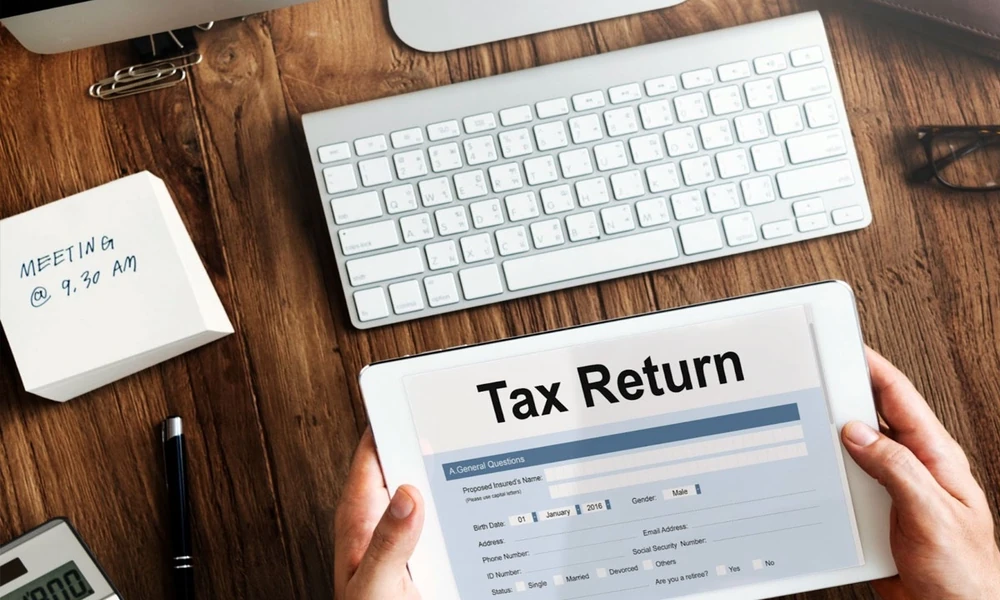
Starting a company in Singapore means dealing with tax filings you may not be familiar with. A new business has several dates to keep track of in its first year, and missing one can result in a penalty. It helps to know what needs to be filed and when before you start looking at the best tax filing services singapore. This guide explores the main filings a new company may need to make in its first year, plus an exemption that can reduce the tax bill for some new companies.
Your Financial Year End Sets the Clock
One of the first things a new company needs to decide is its financial year-end, or FYE. This date affects when some of your tax filings are due, so it is worth choosing it early. You can set the FYE in any month, and the first set of accounts can cover up to 18 months from the incorporation date. Your FYE also affects when the start-up tax exemption applies.
Estimated Chargeable Income (ECI)
ECI is an early estimate of your taxable income for the year. It is filed with IRAS within three months of your financial year end. A new company can be exempt from filing ECI if its annual revenue is not more than S$5 million and its ECI is nil. Even if you are exempt, work out the tax figure so you know what to expect.
The Corporate Income Tax Return
Depending on your company’s size and situation, this will be Form C-S, the simpler Form C-S (Lite), or Form C. It is filed with IRAS by 30 November each year and reports your actual income for the period. A new company files its first return in the Year of Assessment that follows its first financial year-end.
The Start-Up Tax Exemption
For the first three Years of Assessment, a qualifying company does not pay tax on 75 percent of its first S$100,000 of normal chargeable income, and gets a 50 percent exemption on the next S$100,000. To qualify, the company has to be incorporated in Singapore, be a tax resident, and have no more than 20 shareholders who are individuals, or at least one individual holding at least 10 percent. Property and investment holding companies do not qualify.
What About GST
GST filing only applies in the first year if you register for it. Registration becomes compulsory once your taxable turnover passes S$1 million in a year, and you can also choose to register earlier. If your business is below that level, you have no GST returns to file. Once you are registered, you file GST returns every quarter.
One Filing That Is Not a Tax
Not every filing in your first year goes to the tax authority. The annual return goes to ACRA, the company regulator, and it is separate from tax. A private company holds its annual general meeting within six months of its financial year-end and files its annual return within seven months.
Getting the First Year Right
If you track your income from the start, keep your records in order, and note each deadline, the first filing is less stressful. Koh Management helps new companies in Singapore set up their accounts and handle ECI, the corporate tax return, and GST where it applies. Mark your FYE, the ECI date three months later, and the 30 November return date in your calendar now, so nothing takes you by surprise.
