

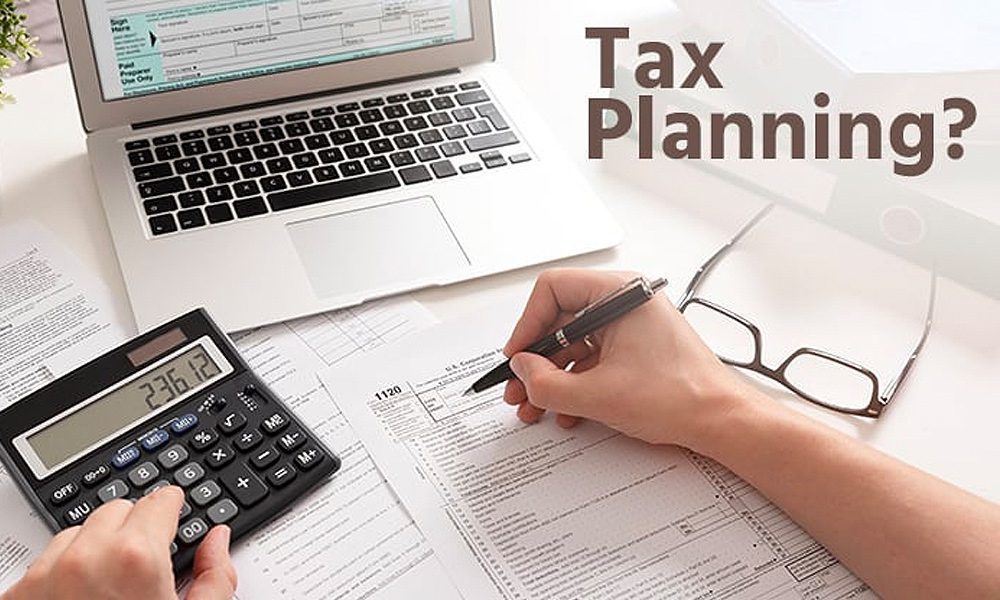
Small business owners can benefit from planning tax planning. This is because it lowers what they have to pay in taxes and is a pillar in their growth plan. Tax planning minimizes uncertainty and discloses opportunity. Reliable tax planning services in Troy, MI align a company’s financial functions for tax purposes. Also, they offer a dependable projection of tax expenses. This frees company directors and managers to concentrate on non-deductible expenses that increased revenue can reduce or cover.
Understanding Tax Planning
To plan for your business tax effectively, you need to possess knowledge of business operations, understand finance, and have a proactive mentality. You need to have mastered tax codes and be aware of the latest regulatory requirements.
Tax planning is about analyzing and arranging the finances of your business. It is a strategic plan that lets all elements function to maximize tax efficiency. This way, your business can save on taxes legally. It includes selecting a business structure, applying deductions, and protecting assets. Although tax planning can benefit everyone, it is especially essential for businesses in their growth stage. To make the most out of tax planning, your business must be driving sales and collecting more revenue.
Signs You Should Take Planning Seriously

You may want to think about tax planning for your business if you see yourself in any of the following situations:
- You start with taxes at the end of the year. Paying taxes should be something you need to spend time on. Waiting until the end of the year to start dealing with your taxes can leave you scrambling to get things done in time. Although you may be able to survive this way, it may not be for the short term. As the owner of a growth-stage business, you must take such an approach. To maximize your money-saving strategies, stay on top of business taxes throughout the year. Nearly all financial decisions you make will impact your tax obligations. Taking a review of your sales and expenses every month can help you better understand your opportunities to save money and minimize the risk of mistakes.
- You are not maximizing tax credits and deductions. Tax credits and deductions should be utilized. Overlooking common deductions such as food and travel expenses and missing out on health care tax credits can result in you paying more taxes than you need to. This is wasted money.
The number of credits and deductions makes it hard to account for all of them without solid tax planning. You can deduct for things such as advertising costs, depreciation of equipment and furniture for your business, and bank fees. meanwhile, you can obtain tax credits for making your place of work accessible to people who have disabilities, buying a vehicle that uses an alternative source of fuel, and research and development.
The majority of credits and deductions may not change. However, remember that some of them will change or disappear. Thus, your tax strategies and plans must be flexible to change. Also, it should include attention to changing regulatory requirements.
- You are worried about compliance. The tax code is complicated and tends to change frequently. The constant flux makes it necessary to stay on top of laws. If you are worried about your business’s compliance, robust tax planning will let you concentrate your energy elsewhere. Also, compliance goes alongside your tax burden. Diligent tax planning can reduce your taxes and ensure compliance with codes and laws.
- Your business has moved to a growth stage. While your company moves into a growth stage, it requires more comprehensive tax planning. This will provide you with opportunities to minimize your tax burden and offer dependable information to boost the quality of decision-making in the executive department.
